
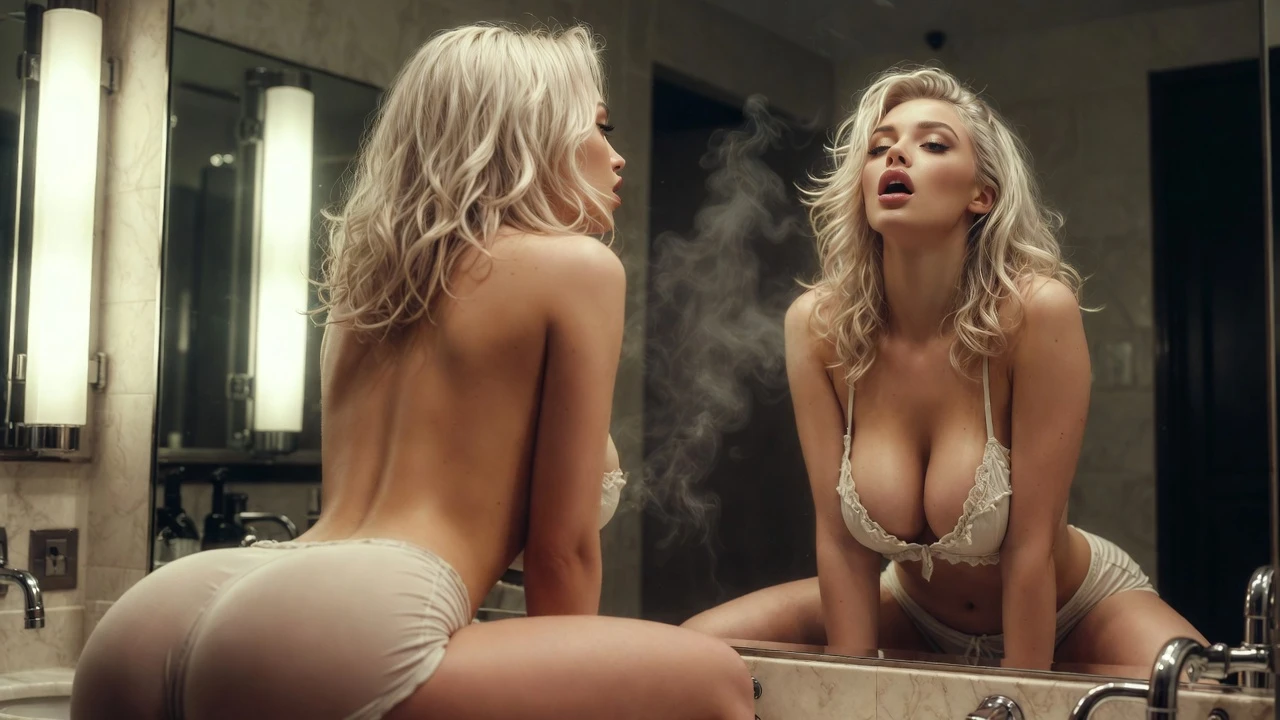
Define what must stay the same
Image models can vary faces, proportions, clothing, and age cues from one generation to the next. Before making a series, write a visual character sheet for a clearly adult fictional person: broad facial features, hair, build, distinctive but invented details, and a small palette. Separate identity traits from scene variables such as wardrobe, pose, camera, and lighting. This makes it possible to change the scene while keeping the character recognizable.
Build a reference set thoughtfully
Create a neutral baseline image first, then use it as a reference only if the tool supports that feature and the provider’s rules allow the intended content. Avoid using a real person’s photograph to build a sexualized likeness without their informed permission. If a workflow involves uploading a reference, verify how it is processed, retained, and deleted. Do not assume a private-generation toggle changes all storage practices.
- Keep a short identity prompt with stable traits and a separate scene prompt for each image.
- Use the same reference or settings only when their function and limitations are understood.
- Change one scene variable per iteration; compare results side by side at similar framing.
- Reject outputs that change the character’s age presentation or drift into a real person’s likeness.
- Store prompt notes without personal information and label the character as fictional in your records.
Measure consistency, not perfection
Choose two or three recognizable features as acceptance criteria. A new image can be useful even when pose or lighting changes, but a different face or age impression means the identity has drifted. Adjust the smallest prompt element that addresses the difference rather than stacking many adjectives. Model behavior, reference tools, and adult-content rules vary by provider and can change, so confirm current documentation. Before sharing a series, inspect every frame for artifacts, identifying details, and accidental likenesses. Keep the originals and generated files in storage you control, and do not distribute someone else’s private image or likeness without permission.